

01 Jun How to Care for a Bald Cypress Bonsai Tree
A Bald Cypress bonsai thrives with consistent moisture, proper pruning, and seasonal care tailored to Southern California’s dry climate.
By Shawn Schroeder
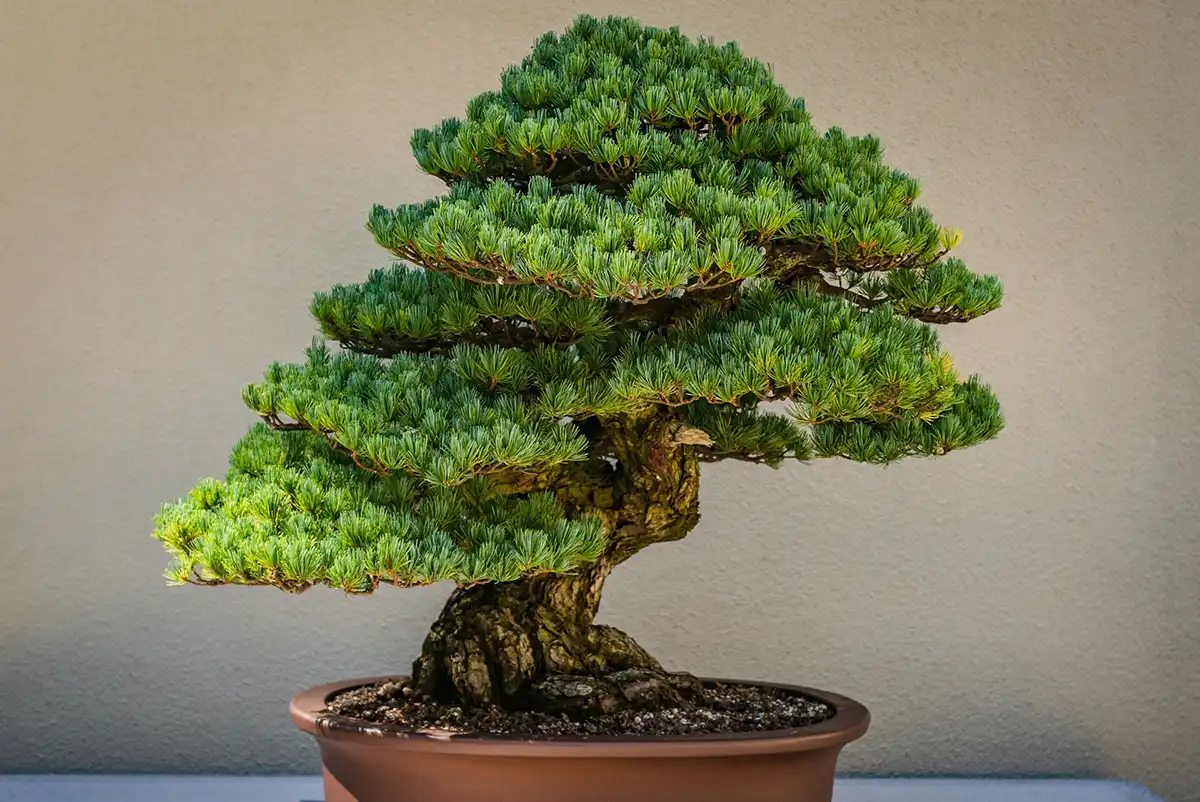
I’ve spent decades working with both koi ponds and bonsai in Southern California, and Bald Cypress is one of the most rewarding species you can own when it’s cared for properly. It’s a tree that naturally wants water, structure, and room to grow, so the way you manage those elements makes all the difference.
What Makes a Bald Cypress Bonsai Different from Other Bonsai?
Bald Cypress bonsai are unique because they are naturally adapted to wet, swamp-like environments rather than dry soil conditions.
Unlike most bonsai species, this tree thrives with constant moisture around its roots and can even tolerate sitting in shallow water. That’s a big shift from traditional bonsai care, where overwatering is usually the biggest concern.
Can a Bald Cypress Bonsai Thrive in Los Angeles’ Climate?
Yes, Bald Cypress bonsai can do very well in Los Angeles, but only if you compensate for the dry air and heat.
In my experience servicing properties across places like Beverly Hills and Woodland Hills, the biggest issue is dehydration. These trees need consistent watering and protection from extreme afternoon heat, especially during summer.
How Often Should You Water a Bald Cypress Bonsai?
You should water a Bald Cypress bonsai daily in most conditions, and sometimes twice a day during hot weather.
This species prefers consistently wet soil, so letting it dry out even briefly can stress the tree. I often recommend placing the pot in a shallow tray of water during peak summer to maintain moisture levels.
What Soil and Drainage Does Bald Cypress Bonsai Need?
Bald Cypress bonsai need a soil mix that retains moisture while still allowing oxygen to reach the roots.
A blend of akadama, pumice, and organic material works well, but the key is balance. You want water retention without stagnation. According to the USDA Natural Resources Conservation Service, proper soil structure supports both water retention and root oxygenation, which is critical for wetland species like Bald Cypress.
How Do You Prune and Shape a Bald Cypress Bonsai?
You should prune regularly during the growing season to maintain shape and encourage dense foliage.
Bald Cypress responds well to trimming, but timing matters. I typically focus on structural pruning in late winter and lighter trimming through spring and summer. Wiring is possible, but the branches can be brittle, so it needs a careful hand.
When Should You Repot a Bald Cypress Bonsai?
Repot Bald Cypress bonsai every two to three years, ideally in early spring before new growth begins.
This is when the tree can recover quickly and push new roots. During repotting, I always check for root binding and trim back excess growth to maintain a healthy root system.
Should You Place Bald Cypress Bonsai Near a Koi Pond?
Yes, placing a Bald Cypress bonsai near a koi pond can be ideal because it naturally benefits from higher humidity.
In Japanese-style gardens I’ve designed, combining water features with bonsai creates a more stable microclimate. Just make sure the tree still gets proper sunlight and airflow.
How Fast Does Bald Cypress Bonsai Grow?
Bald Cypress bonsai are relatively fast growers compared to many other bonsai species.
With proper care, you’ll see strong growth each season, which means more frequent pruning is required. This faster growth is one reason many collectors look for quality bald cypress bonsai trees for sale that already have a well-established structure.
What Are Common Bald Cypress Bonsai Care Mistakes?
The most common mistakes are underwatering, poor soil choice, and neglecting seasonal care.
I’ve seen many trees struggle simply because owners treat them like dry-climate bonsai. Another issue is skipping pruning, which leads to leggy growth and loss of shape.
How Do Seasons Affect Bald Cypress Bonsai in Southern California?
Seasonal changes affect growth patterns, water needs, and dormancy cycles.
In spring and summer, the tree is actively growing and needs more water and pruning. In the fall, it begins to slow down, and in winter, it goes dormant, often dropping its needles, which is completely normal for this species.
What Problems Should You Watch for With Bald Cypress Bonsai?
Watch for root rot, pests, and stress from inconsistent watering.
Even though this tree likes moisture, stagnant conditions without oxygen can damage roots. I also keep an eye out for aphids and spider mites, especially in drier environments.
When Should You Hire a Bonsai Professional?
You should bring in a professional when the tree needs structural work or repotting, or when it starts showing signs of decline.
With over 20 years of experience working on both bonsai and aquatic environments, I can tell you that early intervention makes a big difference. At Aquatic Gardens, we regularly help clients maintain high-end bonsai collections alongside their koi ponds, ensuring everything stays balanced and healthy.
Conclusion
Caring for a Bald Cypress bonsai comes down to understanding its natural environment and replicating those conditions as closely as possible in your garden. When done right, it becomes a striking focal point that complements any Japanese-style landscape or koi pond.
If you want a professionally selected and maintained specimen, you can view our curated selection of bonsai trees for sale and work with us to ensure it thrives for years to come.
About the Author
Shawn Schroeder is the founder and owner of Aquatic Gardens. He is a pond service technician with over 20 years of experience in the business. Shawn has extensive experience in koi health, aquatic plant care, pond filtration, and the chemical and biological compounds of pond water. For Shawn, pond service is not just a business, but a passion as well. Shawn has taken a great interest in all fish, koi in particular, and pond construction and maintenance since he was a young boy digging holes in his parents' backyard and filling them with water. To those who know him, Shawn is simply “the pond guy.”