

01 Apr How to Care for a Cherry Blossom (Sakura) Bonsai Tree
A practical guide to watering, pruning, placement, and seasonal care for keeping Cherry Blossom bonsai healthy in Southern California gardens.
By Shawn Schroeder
Cherry blossom bonsai trees bring a special kind of elegance to a Japanese garden. I have worked with bonsai for many years alongside my pond work, and few trees capture attention like a Sakura in bloom. Those soft pink flowers signal spring and create a beautiful focal point beside koi ponds, stone paths, and water features.
The challenge is that cherry blossom bonsai are more delicate than many other bonsai species. Southern California’s dry climate, strong sun, and inconsistent watering habits can easily stress the tree. When I install or maintain bonsai for clients around Los Angeles and the San Fernando Valley, proper care almost always comes down to the same fundamentals: correct placement, disciplined watering, thoughtful pruning, and attention to seasonal changes.
Below is the practical approach I recommend to keep Sakura bonsai healthy and thriving in a Southern California garden.
What Is a Cherry Blossom (Sakura) Bonsai Tree and How Is It Different From Other Bonsai Species?
A Cherry Blossom bonsai is a miniature version of ornamental cherry trees traditionally associated with Japanese gardens. These trees are cultivated and trained to grow in small containers while maintaining the shape and balance of a full-size tree.
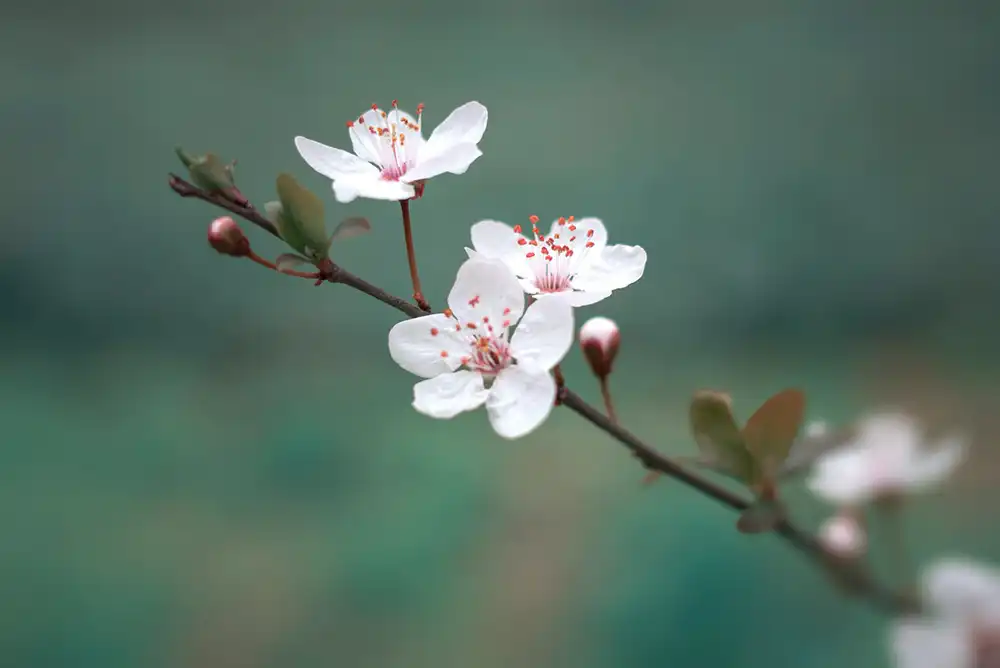
Sakura bonsai are known for their delicate pink blossoms that appear in early spring. Those flowers symbolize renewal and the fleeting beauty of nature, central concepts in Japanese garden design.
Compared with other bonsai species, such as juniper or pine, cherry blossom trees require more careful attention. They are deciduous, meaning they lose their leaves each fall, and they have softer growth that responds strongly to pruning, watering, and seasonal temperature changes.
Because of this sensitivity, maintaining a healthy Sakura bonsai requires more consistent care than some evergreen bonsai varieties.
Can Cherry Blossom Bonsai Trees Thrive Outdoors in Southern California’s Climate?
Yes, and in fact, they usually perform better outdoors than indoors.
Most bonsai species evolved as outdoor trees, and cherry blossoms are no exception. They need natural sunlight, airflow, and seasonal temperature changes to stay healthy. According to the bonsai care guidance I follow in my own work, most bonsai species prefer outdoor conditions with proper light and ventilation.
In Southern California, the key challenge is heat and dry air. I typically recommend placing Sakura bonsai in a location that receives morning sun and light afternoon shade. This protects the tree during the hottest part of the day while still allowing it to receive the sunlight it needs to grow and bloom.
A shaded patio, Japanese garden alcove, or filtered light beneath a pergola works very well.
How Often Should You Water a Sakura Bonsai Tree in Los Angeles’ Dry Conditions?
Watering is the single most important factor in keeping a cherry blossom bonsai healthy.
Because the tree grows in a small container, the soil dries out much more quickly than in garden soil. In Los Angeles, especially during summer, I usually recommend checking moisture levels daily.
Here is the general routine I advise my clients to follow:
- Spring: Water every one to two days, depending on temperature.
- Summer: Often daily, sometimes twice a day during extreme heat.
- Fall: Reduce watering slightly as temperatures cool.
- Winter: Water when the soil begins to dry, but never allow it to fully dry out.
When watering, soak the soil thoroughly until water drains from the bottom of the pot. Light surface watering is one of the biggest mistakes I see.
Choosing the Right Soil and Bonsai Pot
Healthy bonsai starts with the right soil mixture and container.
Cherry blossom bonsai need soil that drains well but still holds enough moisture for steady root hydration. A typical bonsai mix includes:
- Akadama clay
- Pumice
- Lava rock
This blend allows water to pass through while maintaining oxygen around the roots.
The bonsai pot also plays an important role. Traditional Japanese bonsai pots are shallow containers designed to balance aesthetics with root health.
A good pot should include:
- Proper drainage holes
- Adequate width for root spread
- A shape that complements the tree’s structure
Poor drainage is one of the fastest ways to damage a cherry blossom bonsai.
When Sakura Bonsai Bloom and How to Encourage Strong Spring Blossoms
Cherry blossom bonsai typically bloom in early spring before the leaves fully develop.
To encourage strong flowering:
- Provide adequate winter dormancy. Cooler winter temperatures help the tree prepare for spring blooms.
- Avoid heavy pruning during late winter when buds are forming.
- Use balanced fertilizer during the growing season.
The flowers usually last only briefly, which is part of their appeal. In Japanese garden design, that brief bloom reflects the natural cycles of life.
Proper Pruning for Shape and Health
Pruning is essential for maintaining the structure and proportions of a bonsai tree.
With Sakura bonsai, I recommend two main types of pruning:
Structural Pruning
This is typically done during winter dormancy. It shapes the tree’s main structure and removes large or unwanted branches.
Maintenance Pruning
Throughout the growing season, small shoots and excess growth are trimmed to preserve the tree’s shape.
Proper pruning helps maintain balance and proportion, which are core principles of bonsai design.
For homeowners new to bonsai, I usually recommend learning basic maintenance and pruning, while leaving major structural shaping to an experienced bonsai specialist.
Light Requirements for Healthy Growth
Cherry blossom bonsai require plenty of sunlight, but Southern California’s intense afternoon sun can cause stress.
Ideal placement includes:
- Morning sun
- Filtered or partial shade in the afternoon
- Good air circulation
If leaves begin to scorch or curl during summer, the tree is likely receiving too much direct afternoon sun.
Repotting Schedule and Warning Signs
Most cherry blossom bonsai need repotting every two to three years.
Repotting refreshes the soil and prevents roots from becoming too compacted. During the process, roots are trimmed and repositioned to maintain healthy growth.
Signs your bonsai needs repotting include:
- Water is draining too quickly.
- Roots circling the pot
- Reduced growth
- Soil breaking down or compacting.
The best time for repotting is late winter or early spring, before the growing season begins. Guidance from horticulture programs, such as the University of California Agriculture and Natural Resources, recommends repotting many ornamental container trees during dormancy to reduce stress on the plants.
Pests and Diseases to Watch for in Southern California
Cherry blossom bonsai can be affected by several pests common in Los Angeles gardens.
The ones I encounter most often include:
- Aphids
- Scale insects
- Spider mites
- Powdery mildew
Regular inspection is important. Look under leaves, along stems, and around new growth.
Most minor infestations can be controlled with horticultural oil or insecticidal soap, but early detection makes a big difference.
Common Mistakes I See With Sakura Bonsai
After working on many Japanese-style gardens, I see a few mistakes repeatedly.
Overwatering or underwatering
Inconsistent watering causes the most damage.
Keeping the tree indoors
Cherry blossoms generally perform poorly inside homes due to low light and poor airflow.
Improper pruning
Heavy trimming at the wrong time can remove next season’s flower buds.
Using regular garden soil
Dense soil suffocates roots and prevents proper drainage.
Avoiding these mistakes goes a long way toward keeping the tree healthy.
Placing a Cherry Blossom Bonsai Near a Koi Pond
One of my favorite design combinations is a Sakura bonsai placed near a koi pond or water feature.
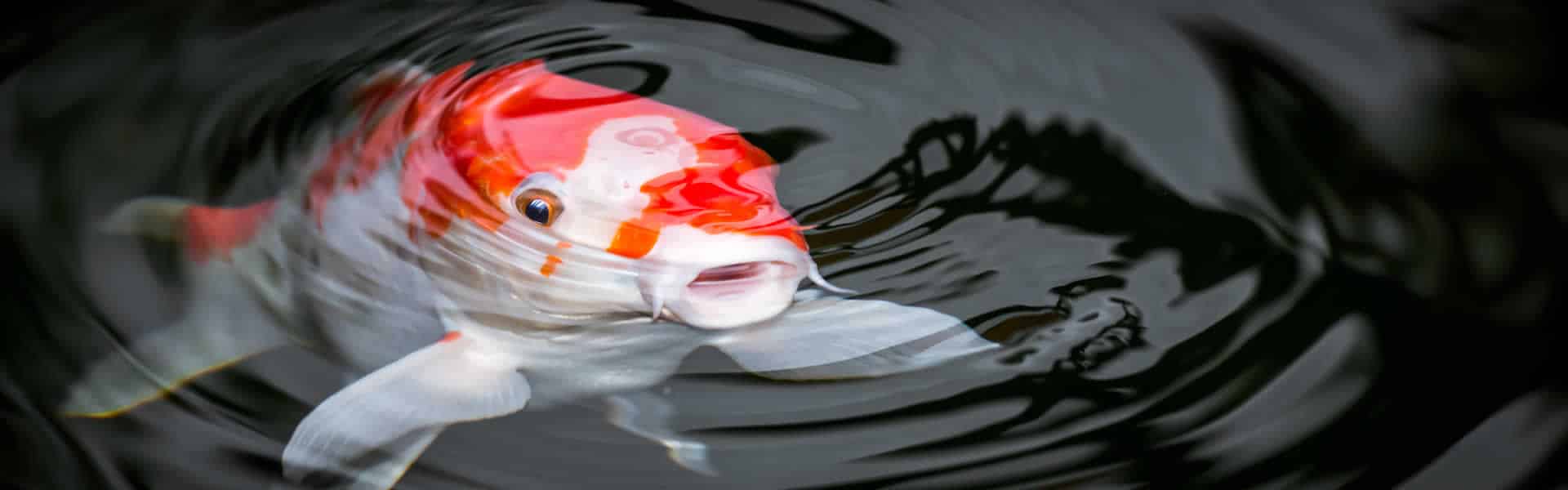
The reflection of the blossoms on the water creates a beautiful visual effect, and the humidity around the pond can benefit the tree during hot weather.
Aquatic plants and water features also contribute to a balanced garden ecosystem by supporting oxygen levels, providing shade, and stabilizing the environment around the pond.
Proper placement ensures the bonsai receives sunlight without being splashed or exposed to excessive moisture.
When to Call a Bonsai Professional
Many homeowners can manage routine watering and light pruning. However, certain tasks require experience.
Professional bonsai care becomes important when:
- The tree needs structural shaping.
- Repotting and root pruning are required.
- Pests or diseases appear.
- The tree is part of a larger Japanese garden design.
Working with bonsai is both horticulture and art. Small mistakes can take years to correct.
At Aquatic Gardens, I regularly help homeowners and businesses throughout Los Angeles integrate bonsai into their Japanese-style landscapes, especially around koi ponds and water features.
Conclusion
Cherry blossom bonsai trees bring elegance and seasonal beauty to Japanese gardens, but they require attentive care to thrive in Southern California’s climate. Consistent watering, proper sunlight, well-draining soil, and careful pruning are the foundation of a healthy Sakura bonsai.
If you are considering adding one to your garden or want expert help maintaining an existing tree, you can view our selection of professionally cultivated bonsai at our collection of Japanese bonsai trees for sale.
About the Author
Shawn Schroeder is the founder and owner of Aquatic Gardens. He is a pond service technician with over twenty years of experience in the business. Shawn has extensive experience in koi health, aquatic plant care, pond filtration, and the chemical and biological compounds of pond water. For Shawn, pond service is not just a business, but a passion as well. Shawn has taken a great interest in all fish, koi in particular, and pond construction and maintenance since he was a young boy digging holes in his parents’ backyard and filling them with water. To those who know him, Shawn is simply “the pond guy.”