
01 Feb How Big Do Koi Get?
A realistic look at adult koi size, growth rates, and why proper pond design and maintenance matter for long-term fish health.
By Shawn Schroeder
One of the first questions I hear from new pond owners in Los Angeles is, “How big are my koi actually going to get?” It is an important question, because koi growth is not just about genetics. It is directly tied to pond size, water quality, filtration, oxygen levels, and long-term care. I have seen koi thrive and reach their full potential, and I have also seen fish permanently stunted because the pond was not planned with adult size in mind.
Typical Adult Size and Weight of Koi
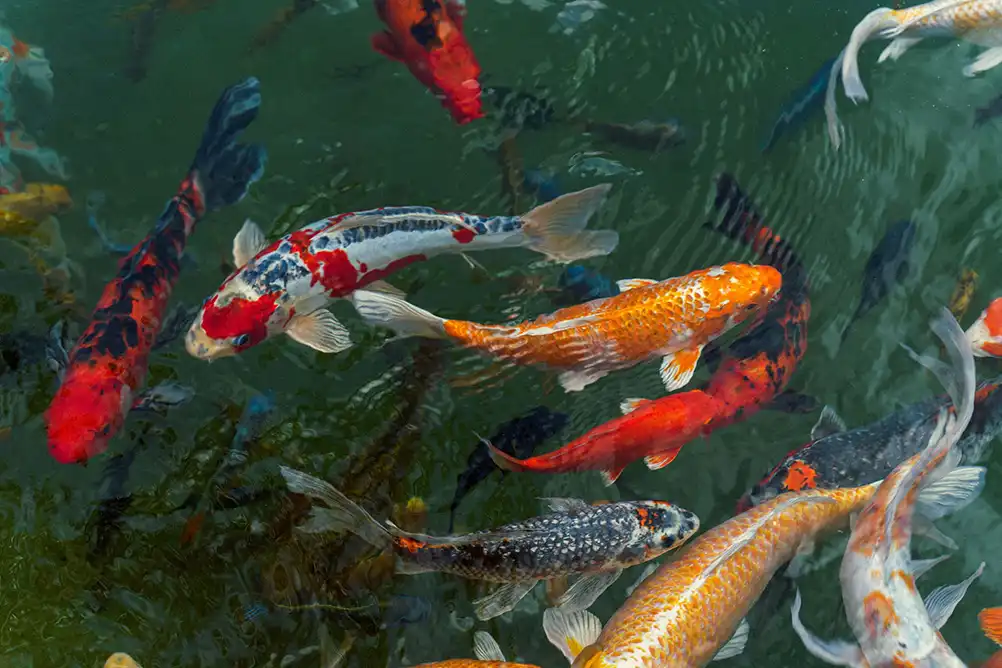
Most healthy domestic koi reach 18 to 24 inches in length as adults and weigh between eight and twelve pounds. Under excellent conditions, some koi grow larger. Jumbo koi, which are selectively bred in Japan for size and body conformation, can exceed 30 inches and weigh 18 to 20 pounds or more.
Size alone is not the goal. Proper body shape, strong fins, and steady growth indicate a koi that is living in balanced water conditions. When growth stalls early, it is often a sign that the pond environment is limiting the fish.
Domestic Koi Versus Jumbo Koi
Domestic koi sold at local dealers are bred primarily for color and pattern, with moderate growth expectations. Jumbo koi are bred with a focus on skeletal structure, metabolism, and long-term growth potential. Even jumbo koi will not reach their genetic size limit unless the pond supports it.
I always remind clients that buying a jumbo koi does not magically make it large. Without adequate water volume, filtration, and oxygen, even the best bloodline will top out early.
Growth Rate From Juvenile to Adult
Koi grow fastest in their first three to five years. A well-fed juvenile can grow six to ten inches per year during this period. Growth slows significantly after that, but koi continue to add length and mass gradually for many years.
This early growth phase is critical. Poor water quality, overcrowding, or inadequate filtration during these first years can permanently limit adult size, even if conditions improve later.
How Pond Depth and Volume Affect Maximum Size
Water volume is one of the biggest drivers of koi growth. Larger volumes dilute waste, stabilize temperature, and support stronger biological filtration. As a general guideline, a koi pond should provide at least 250 gallons per adult koi, and more is always better.
Depth matters as well. In Southern California, I recommend a minimum depth of four feet for serious koi ponds. Deeper water provides thermal stability during summer heat and allows koi to swim vertically, which supports muscle development and overall health.
Filtration, Oxygen, and Water Quality
Koi are heavy waste producers. As they grow, ammonia output increases dramatically, and without proper filtration, water quality declines quickly. Mechanical filtration removes solids, while biological filtration converts toxic ammonia into less harmful compounds.
Oxygen levels are just as important. Koi require well-oxygenated water to metabolize food efficiently and grow. Poor circulation or undersized filters often result in slow growth and chronic stress. This is where professional pond service makes a measurable difference by matching filtration systems to fish load and pond volume.
Stocking Density and Overcrowding
Overcrowding is the most common reason koi fail to reach their expected size. Too many fish competing for oxygen and clean water lead to suppressed growth, increased disease risk, and constant water-quality problems.
I design ponds with adult koi in mind, not how small the fish look on installation day. Planning for future size prevents expensive rebuilds and protects the long-term health of the fish.
How the Los Angeles Climate Influences Koi Growth
Southern California’s mild climate is an advantage for koi keepers. Longer warm seasons mean longer feeding windows and more consistent growth compared to colder regions. However, summer heat can stress koi if ponds are shallow or poorly circulated.
Proper depth, shade, and filtration allow koi in Los Angeles to take full advantage of the climate without suffering from oxygen depletion or temperature spikes.
Planning a Pond for Full-Grown Koi
A koi pond is a long-term commitment. These fish can live 25 to 35 years or more, and their space needs grow with them. Designing a pond around adult size, not juvenile convenience, is the key to success.
When we consult on new builds or upgrades, we focus on volume, depth, filtration capacity, and realistic stocking plans. This approach allows koi to grow steadily, maintain strong immune systems, and display their full color and body potential.
Conclusion
Koi can grow large, but only when the pond provides proper conditions. Size is the result of good planning, clean water, strong filtration, and responsible stocking. If you want your koi to reach their full, healthy size without constant problems, professional design and maintenance matter. If you need reliable koi pond help, our team provides experienced pond services that keep fish healthy for the long haul.
About the Author
Shawn Schroeder is the founder and owner of Aquatic Gardens. He is a pond service technician with over 20 years of experience in the business. Shawn has extensive experience in koi health, aquatic plant care, pond filtration, and the chemical and biological compounds of pond water. For Shawn, pond service is not just a business, but a passion as well. Shawn has taken a great interest in all fish, koi in particular, and in pond construction and maintenance since he was a young boy, digging holes in his parents’ backyard and filling them with water. To those who know him, Shawn is simply “the pond guy.”